
News



%201.jpg)
Insights

The union of the Internet of Electricity (IoE) and the Internet of Value (IoV) results in a new, integrated system that can be called the Power Token Economy. This confluence is the inevitable result of two separate megatrends realizing they solve each other’s core existential flaws.

The Internet of Electricity (IoE) is the architectural evolution of the century-old electric power grid, transforming it from a rigid, centralized, analog system into a sentient, two-way, decentralized digital network. Deriving its principles from the Internet of Things (IoT), the IoE is a Cyber-Physical System that deeply integrates generation, transmission, distribution, and consumption into a single, cohesive information ecosystem.
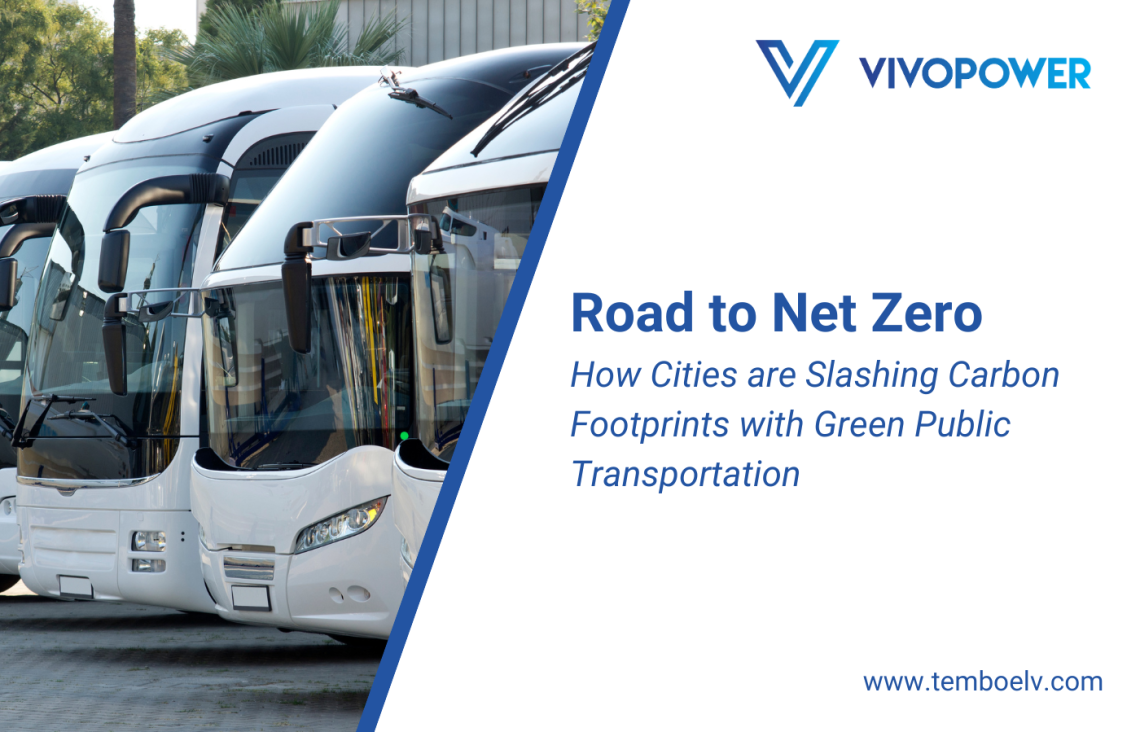
In today’s rapidly urbanising world, cities are under increasing pressure to address the environmental challenges posed by their growing populations.Among the most pressing of these challenges is the need to reduce carbon footprints, particularly from transportation, which is a major contributor to urban emissions. But rather than dwell on the doom and gloom, let’s dive into the inspiring and innovative ways cities around the globe are going green with public transportation.

Converting second-hand vehicles into electric provides consumers with a more sustainable way to reduce carbon emissions in the transportation sector. Not only does it help extend the lifespan of existing vehicles, but it also offers a multitude of economic and environmental benefits.In this Tembo Insight, we explore the potential of turning second-hand vehicles into electric ones. Let us find out what positive impacts it can have on businesses and the environment.

A battery pack, comprised of a collection of modules enclosed together, forms a crucial component within electric vehicles (EVs). It is often a large assembly integrated into the vehicle’s structure.In this edition of our Battery Safety series, we will focus on the safety considerations concerning a single battery pack assembly.